Concerns we treat — brows

Brow concerns we treat

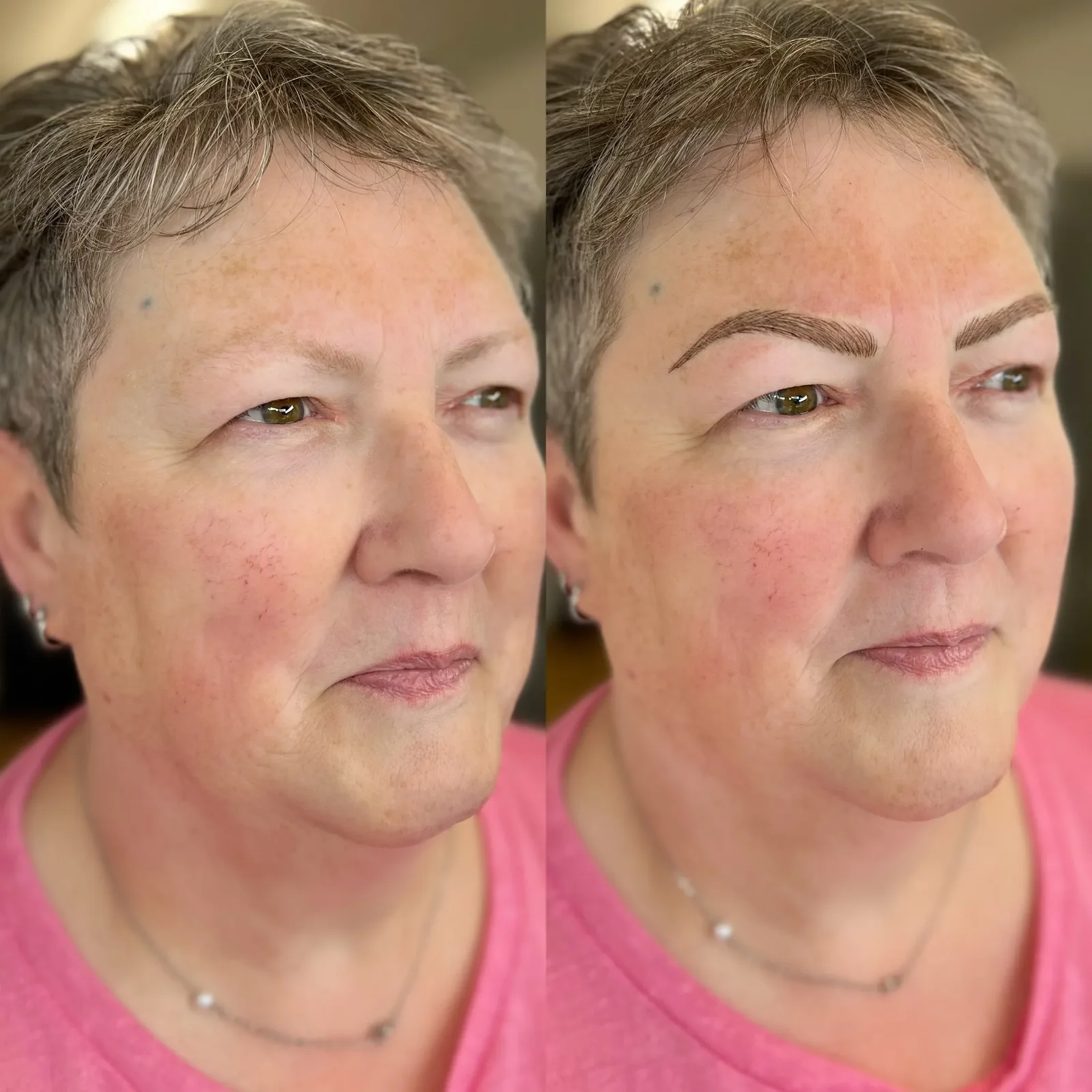
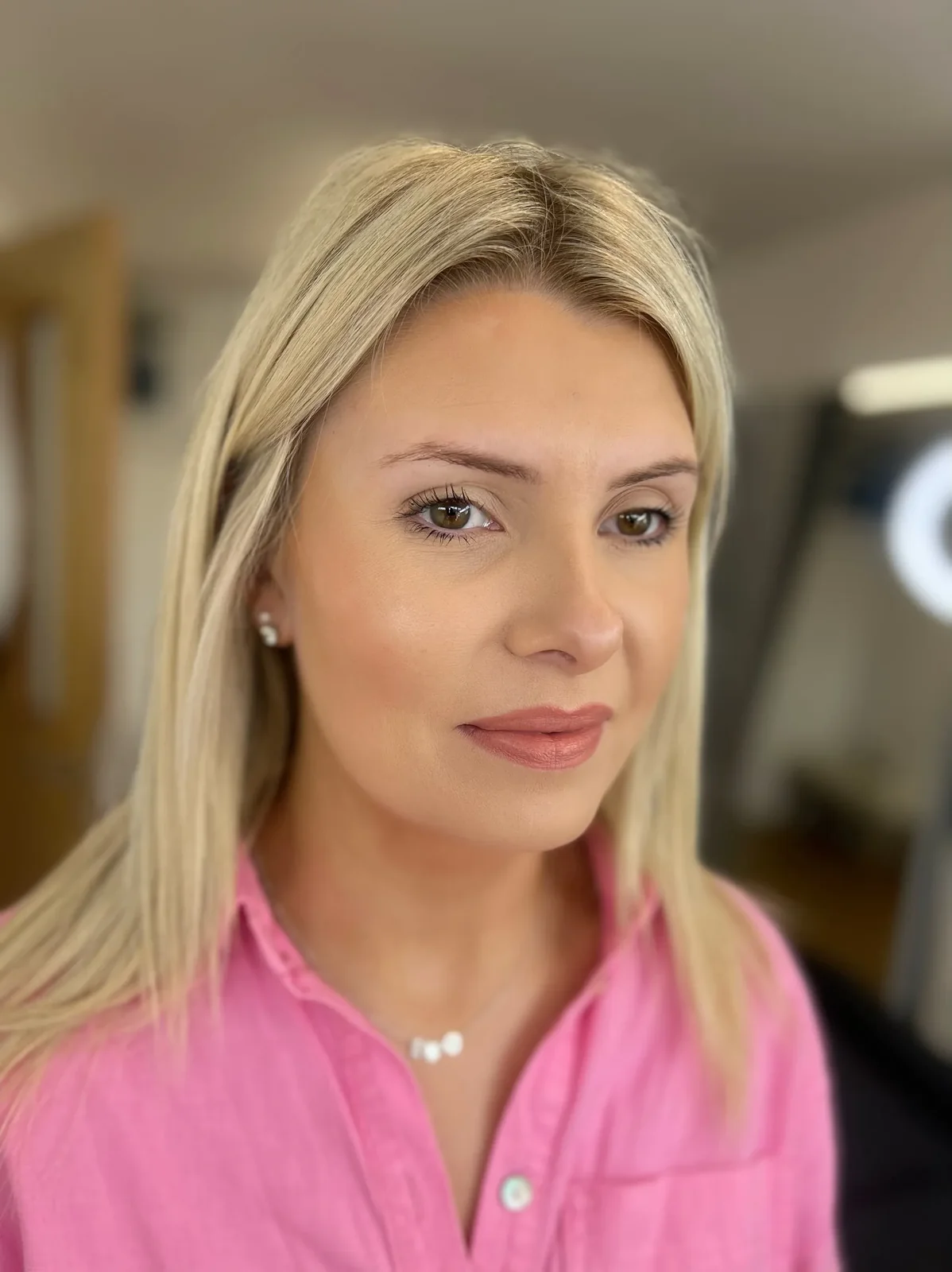
Thin, sparse, uneven, fading, or simply not what they used to be — brows change with time, over-plucking, hormones and ageing. Lorraine restores natural-looking density, symmetry and shape with 3D Feather Brows, a soft hair-stroke semi-permanent tattoo technique that's nothing like the heavy block brow tattoos of the past.

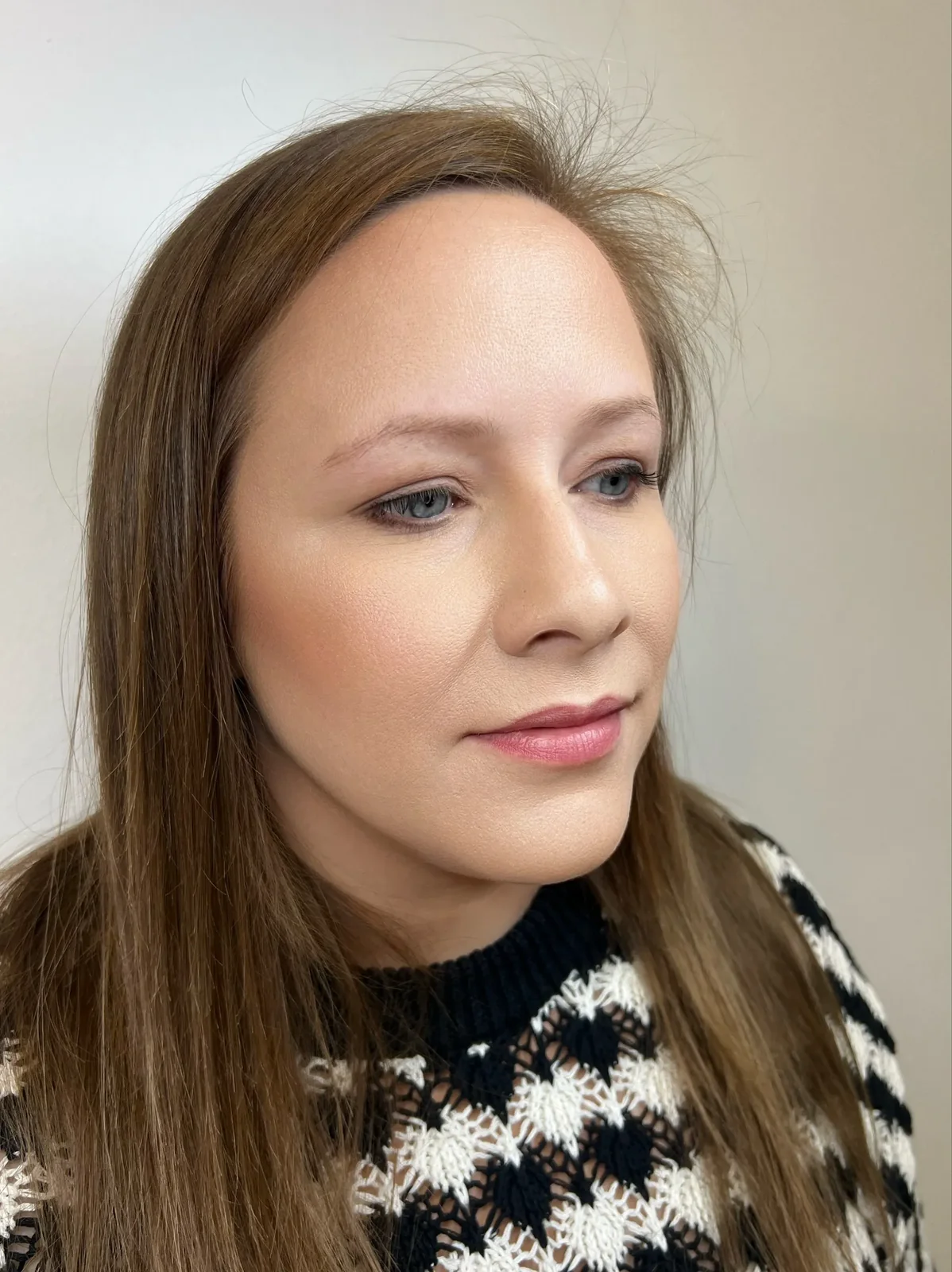
Natural-looking brow tattoo result on brunette client by Lorraine — defined feather brows, Gold Coast
Real client of Lorraine, healed 3D feather brow result.

What does it actually mean to have "brow concerns"?

The phrase covers more than people expect. It includes the slow thinning of brows from your late 30s onwards, the bald patches left from a decade of plucking thin in the early 2000s, the way one brow sits visibly higher or shorter than the other when you finally look closely. It includes the brows that have always been pale and barely there, and the ones that used to be defined but now seem to fade into the surrounding skin. It includes brows lost to chemotherapy, alopecia areata, trichotillomania, thyroid changes, or simple genetic luck.

None of these are medical problems on their own. They're cosmetic and identity ones that have a real impact on how your whole face reads — brows frame the eyes and structure the upper face more than any other feature. Most clients come to Lorraine after years of pencilling, powder pomades, brow gels and tinted serums, getting a few hours of effect before the underlying concern reappears or smudges off in the gym.

Why come to Lorraine specifically?

Lorraine Nugent has 20 years in the cosmetic industry, with semi-permanent makeup as her specialisation over the last decade — and brow tattoo is the work she's best known for. She trained internationally with leading educators in Milan, London and Paris, refining the hand-tooled feather-stroke technique that produces fine, natural-looking hair strokes rather than the heavy block brows of older microblading. Her aesthetic clinic in Runaway Bay, Gold Coast attracts clients from across South-East Queensland for this work specifically.

If you're researching this for the first time, the page below explains the specific brow concerns Lorraine treats most often. If you already know what's bothering you, click straight into the relevant concern.
The technique

How Lorraine's brow work addresses all of these concerns

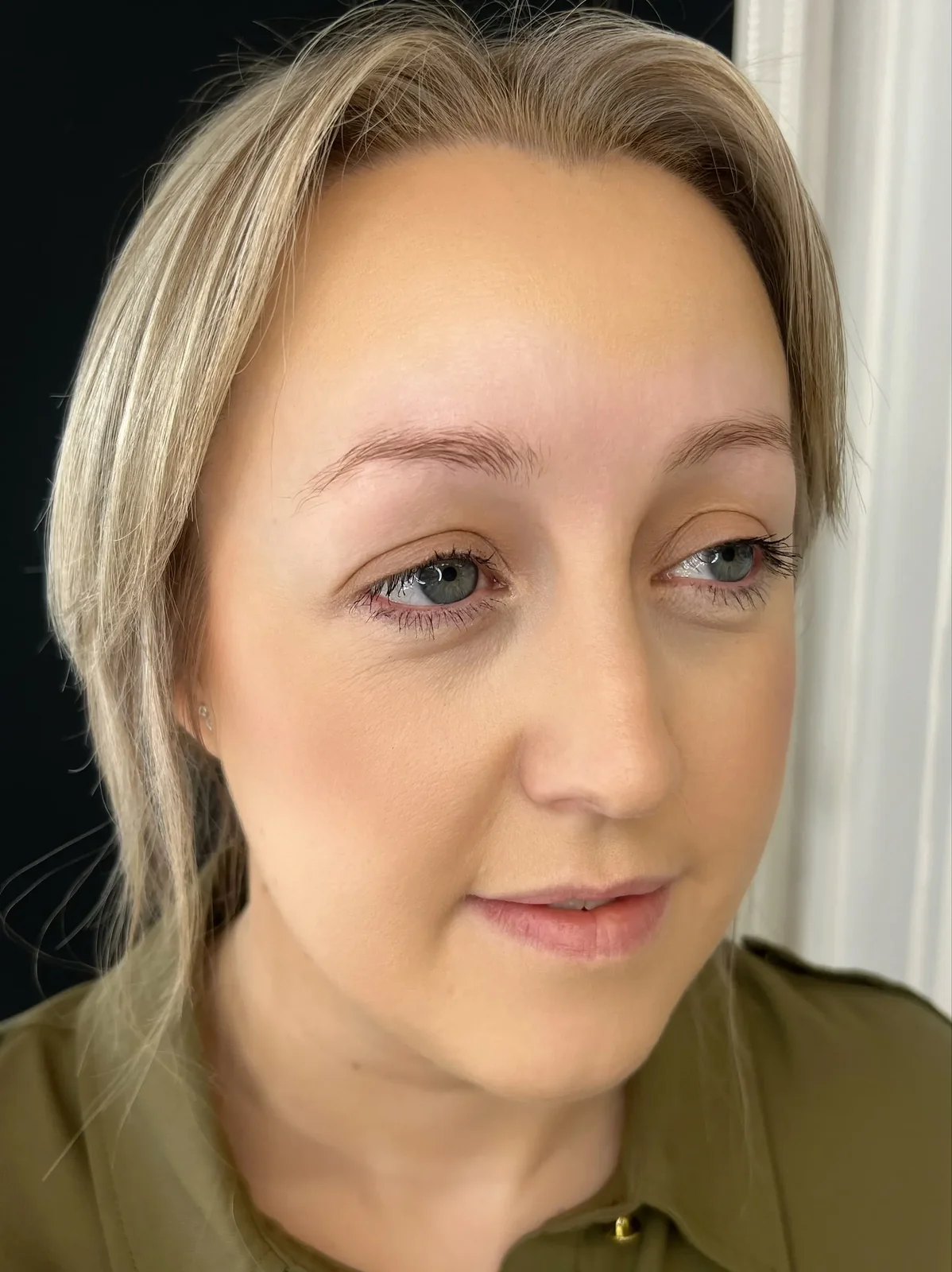
3D Feather Brows — also known as microblading, hair-stroke brows, semi-permanent eyebrows or simply eyebrow tattoo — is a semi-permanent technique that mimics real brow hair. Lorraine uses a fine, hand-tooled instrument to place individual hair-stroke lines through the brow, layering pigment in the direction your own hair naturally grows. The result reads as your own brow, just more present.

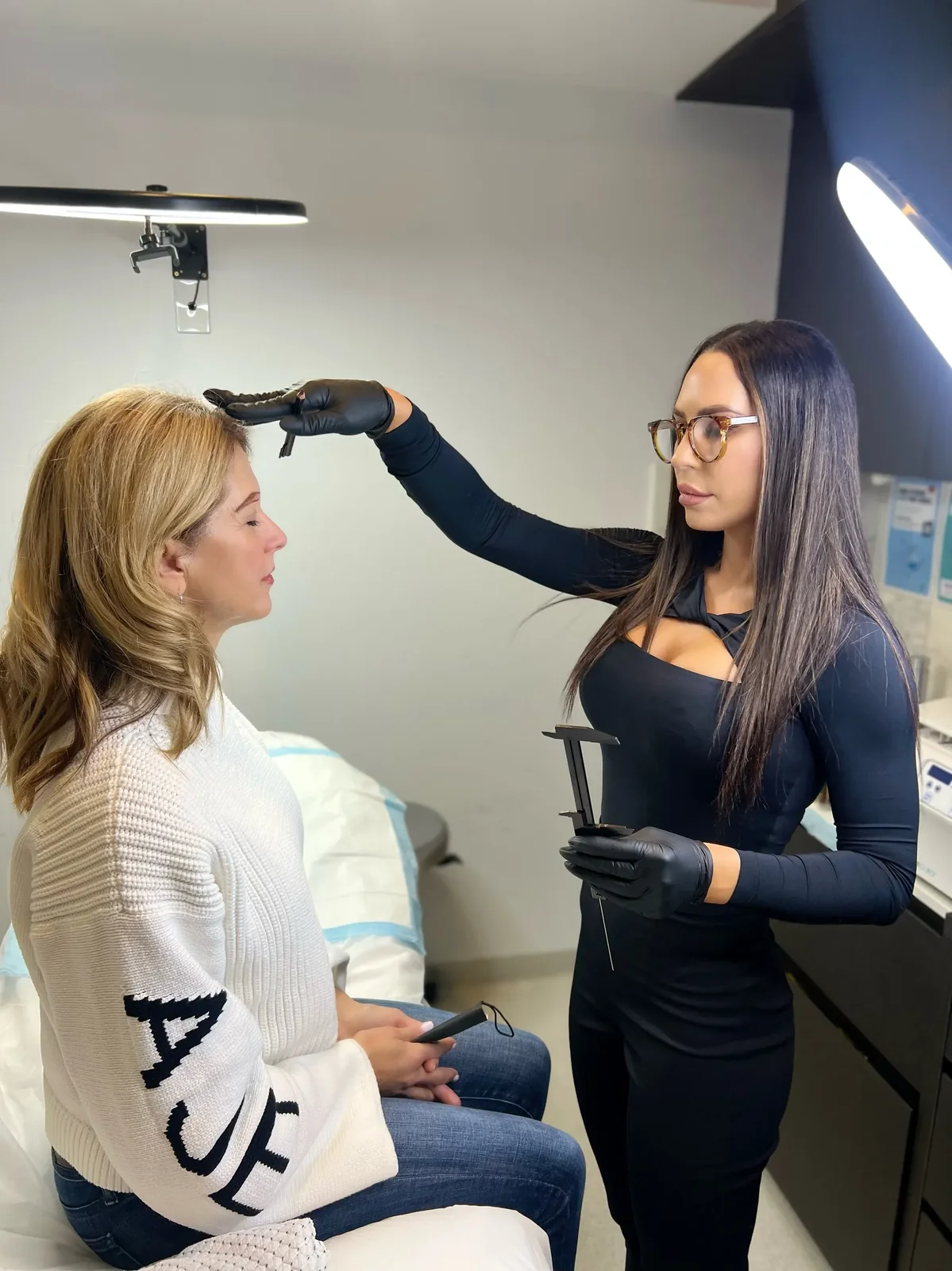
The technique is fully customised. Before any pigment is placed, Lorraine carefully maps the brow shape on your face — using the natural points of your features (the inner corner, the iris, the outer eye) — and pre-draws the design with you in the mirror. You see exactly where the brow will sit, how high the arch will be, where the tail will end. Nothing happens until you've agreed the shape. Colour is bespoke-mixed to your skin tone, hair colour and natural undertones — no shelf colours, no presets.

For most clients, the right technique is feather-stroke brows. For oily skin or clients who prefer a softer, makeup-style finish, Lorraine may recommend combination brows (also called hybrid brows) which blend feather strokes at the front with soft ombré shading through the body and tail. For clients with no remaining brow hair, the technique shifts again — denser, layered strokes that build a complete brow from a near-blank canvas. All of this is decided together at consultation.

The result settles over 4–6 weeks into a soft, natural finish, with a paid follow-up at 6–8 weeks to refine and perfect. Many of Lorraine's clients describe the most-common feedback as: "You look so well — what have you done?" Nobody can put their finger on it.

Full brow tattoo details
Lorraine mapping the eyebrow shape with a client — bespoke design consultation, Gold Coast
FAQs

Common questions about brow treatments

I'm not sure which concern matches me. What should I do?

Book a complimentary consultation. Lorraine will look at your brows in natural light, ask what's bothered you in the mirror, and talk through what's achievable. Most clients leave the consultation with a clear sense of whether 3D feather brows is right for them — with no pressure to book the treatment itself.

What's the difference between microblading, ombré brows and 3D Feather Brows?

Microblading and 3D Feather Brows are the same family of treatment — both create individual hair-stroke lines using a fine, hand-tooled blade rather than a machine. "Microblading" is the technical name used internationally; "3D Feather Brows" describes the look — soft, three-dimensional, feathered. Ombré brows (also called powder brows) are a different look entirely: a soft, makeup-like shading effect placed by machine rather than feathered strokes. Combination brows or hybrid brows blend both — feathered strokes at the front of the brow, soft shading through the body and tail, which holds up especially well on oily skin. Lorraine will recommend the right technique for your skin and the look you're after at consultation.

How long do brow tattoo results last?

3D feather brows typically last 12 to 18 months before colour begins to soften and a touch-up is recommended. Some clients leave it longer if they like the increasingly subtle effect as it fades. Lifestyle, skin type and sun exposure all affect longevity — oily skin and frequent sun exposure shorten the lifespan; dry skin and good sun protection extend it.

Does it hurt?

Most clients describe the sensation as mild — a light scratching or stinging. Lorraine applies medical-grade topical numbing before and during the session, which keeps things very comfortable. Many clients are surprised at how relaxed the appointment feels — some even doze off partway through.

What's the healing like?

The brows look bold and quite dark for the first 5–7 days — this is normal and expected. Between days 7–14 they go through what's called the 'ghost phase' where the strokes look much lighter as the top layer of skin sheds. The colour then re-emerges between weeks 3 and 6 as the deeper layer settles. The paid follow-up at 6–8 weeks is where the final perfecting happens.

Why is there a paid follow-up?

The follow-up at 6–8 weeks is where the brow result is refined — adding strokes where the colour healed lighter than expected, sharpening the shape, perfecting the symmetry. Most reputable brow artists charge a separate fee for this because it's a substantial appointment in its own right, not a quick top-up. Lorraine prefers to be transparent about this from the start rather than hide costs.

What does a session involve?

Plan for 2 to 2.5 hours. This covers the consultation, brow mapping and pre-drawing the shape, colour-matching, numbing, and the feather brow tattooing itself. There's no rush — Lorraine works at the pace that produces the most natural-looking result.

Will the colour go red, blue or grey over time as it fades?

Not with modern pigments used by trained artists. The bad-faded brow tattoos you may have seen on older clients were placed with iron-oxide pigments that broke down to red, blue or grey tones over years. The EU-certified pigments Lorraine uses fade as softer, lighter versions of the original tone — never shifting to a colour you didn't start with.

How much does it cost?

3D feather brow pricing is provided on consultation and depends on factors like whether you've had previous brow tattooing, your starting brow density, and the technique chosen (feather, combination or hybrid). A paid follow-up at 6–8 weeks is booked and priced separately, recommended for the most polished result. The complimentary in-person consultation is the easiest way to get a clear answer on pricing for your specific case.

I'm in my 60s — am I too old for brow tattoo?

Not at all. Mature brows often benefit the most because the change from sparse and faded to restored is most dramatic. Lorraine has treated clients well into their 70s. The only consideration with mature skin is that healing can take slightly longer, and slightly softer pigment placement is used to suit thinner skin.

Begin with a complimentary consultation.

A relaxed conversation with Lorraine — your concerns, your options, no pressure to book.